
12 December 2025 · SamZar Team
It Starts with a Bag
Fez is uniquely positioned to show how old cities can lead modern sustainability
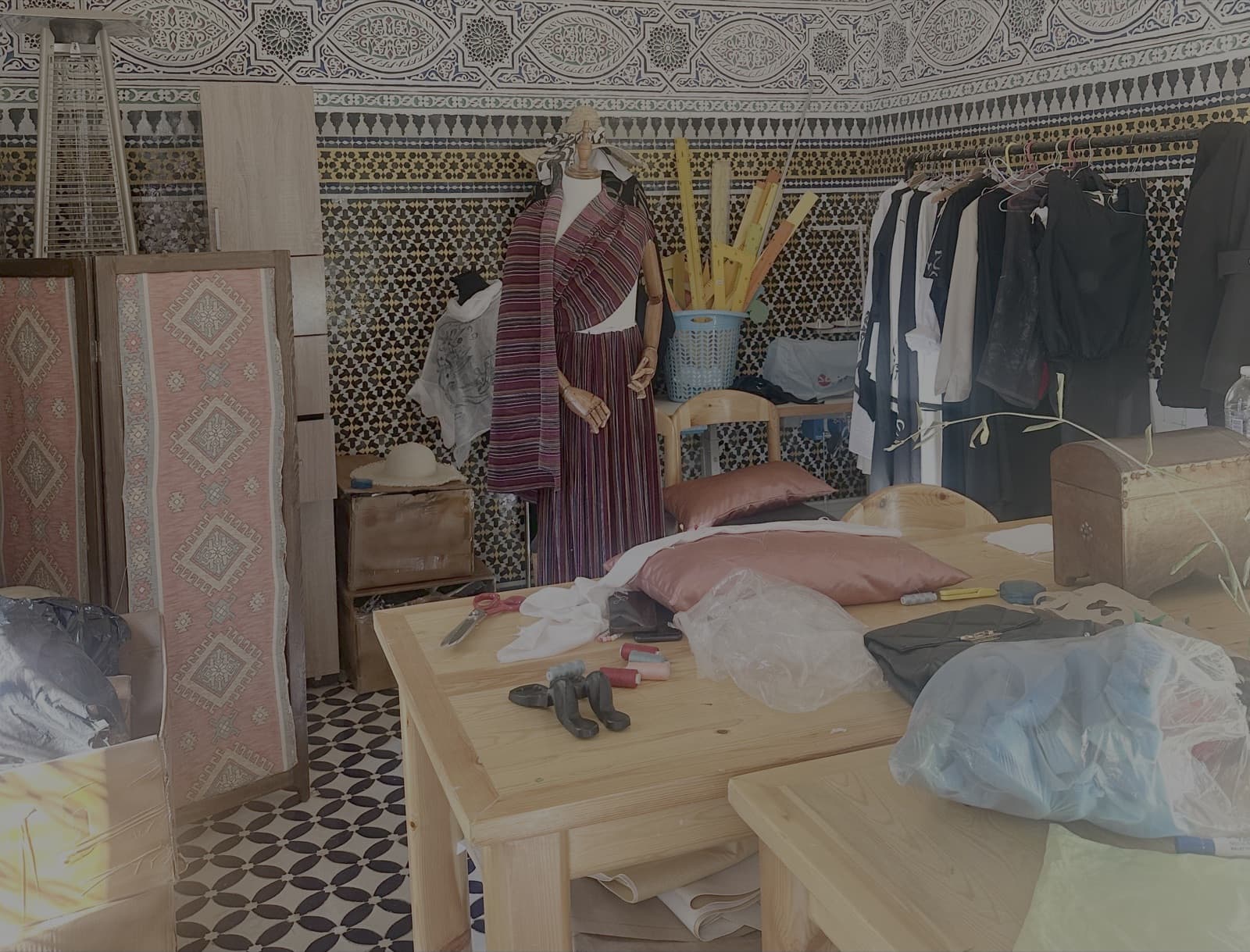
In the winding streets of the Fez medina, life happens at human scale. Bread is bought daily, vegetables are carried home by hand, neighbours greet each other across doorways, and craft traditions stretch back centuries. It’s also a place where modern waste systems struggle to keep up with historic design — and where small, thoughtful actions can have an outsized impact.
That’s where the SamZar Octopus comes in. And yes — it really does start with a bag.
What is the Octopus?
The Octopus is a simple, decentralised system for reducing waste at its source. Instead of treating waste as one messy problem, it breaks it into eight clear “tentacles” — each one addressing a different stream: organic waste, reuse and repair, recycling, plastics, hazardous materials, water, and energy.
Rather than relying on large infrastructure, the Octopus works at home, at street level, and across communities — in riads, restaurants, shops, schools, and homes. Each tentacle follows the same rhythm: know, act, measure, and improve.
It’s practical, adaptable, and designed for places like the Fez medina, where trucks don’t reach every door and solutions must fit daily life.
Why Fez — and why now?
Morocco, like many countries, is facing a growing waste challenge. Urbanisation, tourism, and packaged goods have dramatically increased waste volumes, especially plastics and food waste. In historic medinas, where streets are narrow and storage space is limited, mixed waste quickly becomes a health, environmental, and logistical issue.
At the same time, Morocco has a strong culture of reuse, repair, and resourcefulness. Glass jars are refilled, clothes are altered and passed down, food is bought fresh and often unpackaged. The Octopus doesn’t replace these traditions — it builds on them.
Fez, with its 9,000+ pedestrian streets and deeply rooted craft culture, is uniquely positioned to show how old cities can lead modern sustainability.
The first tentacle: Black Gold
The Octopus begins with what we throw away most often: food waste.
Organic scraps — vegetable peels, tea leaves, coffee grounds, garden cuttings — are not rubbish. They are black gold. When composted correctly, they become soil that feeds rooftop gardens, street plants, and indoor herbs.
The system is simple: three containers per kitchen — a small bench-top collector, a sealed container nearby, and a shared compost space on a rooftop, garden, or community area. Over time, households can track how much food waste they divert, turning a daily habit into visible impact.
Reuse, repair, repurpose — and the power of a bag
This is where the Djelleba bag comes in.
Made from reclaimed fabric — often surplus denim or cotton shipped from the west for disposal in landfill in Morocco — these bags are inspired by traditional garments and local sewing skills. They replace single-use plastic bags for bread, produce, and daily shopping, but they do much more than that.
A reusable bag changes behaviour. It encourages planning purchases, buying only what’s needed, and separating wet and dry goods. In kitchens and riads, larger versions support suppliers and staff to deliver food without plastic. Fabric offcuts become smaller produce or seed bags. Even scraps find new life as handmade items.
It’s a small object with a ripple effect — and often the easiest place to start.
Tackling plastics, water, and energy
Other tentacles address harder problems: plastics that downcycle into microplastics, hazardous waste that contaminates soil and water, and invisible “vampires” that drain water and electricity.
The Octopus doesn’t pretend these issues disappear overnight. Instead, it promotes daily questioning of purchases, clear separation of difficult materials, and collective problem-solving. Riads and restaurants appoint a SamZar volunteer to track data, guide staff, and communicate progress to guests.
Water buckets from showers water plants. Efficient bulbs replace old ones. Lights are switched off. Over time, these small actions add up — saving money as well as resources.
A community approach
Waste doesn’t respect walls. That’s why the Octopus works best when neighbours, streets, and institutions join in.
Restaurants, shops, schools, clinics, and homes can align disposal days, share compost, and coordinate collections. With most waste separated, crushed, or stored, disposal may only be needed once a week. Some days become “zero waste” days entirely.
This is not about perfection. It’s about progress, together.
It really does start with a bag
The beauty of the Octopus is that anyone can begin. You don’t need permission, machinery, or funding. You need curiosity, willingness, and maybe a needle and thread.
A bag becomes a habit. A habit becomes a system. A system becomes a culture.
In a place like Fez — where history, craft, and community are already woven together — the future of waste reduction doesn’t arrive from outside. It grows from within.
Connect. Create. Transform.